Chancellor Rachel Reeves’ announcement to freeze the Plan 2 loan repayment threshold at £29,385 for three years has sparked concern amongst the 5.8 million students on this plan.
University students facing graduation in 2026 and 2027 are confronting a significant shift in how student loan repayments will affect their post-graduation finances.
With graduate starting salaries ranging from £28,000 to £35,000, many new graduates will find themselves just above the repayment threshold.
For people earning £30,000 annually, initial repayments start at £1,553. Yet assuming a salary increase to £33,000 while the threshold remains frozen, repayments jump to £3,615 – more than double the initial amount.
“As someone about to graduate, it feels like this means I’ll have less money in my pocket,” said Eden Small, a Media and Communication student at Kingston University.
The maths reveals an uncomfortable reality; a graduate earning above £30,000 already faces 20% income tax, leaving approximately £24,000 in take-home pay. Student loan deductions then take another bite out of an already reduced paycheck.
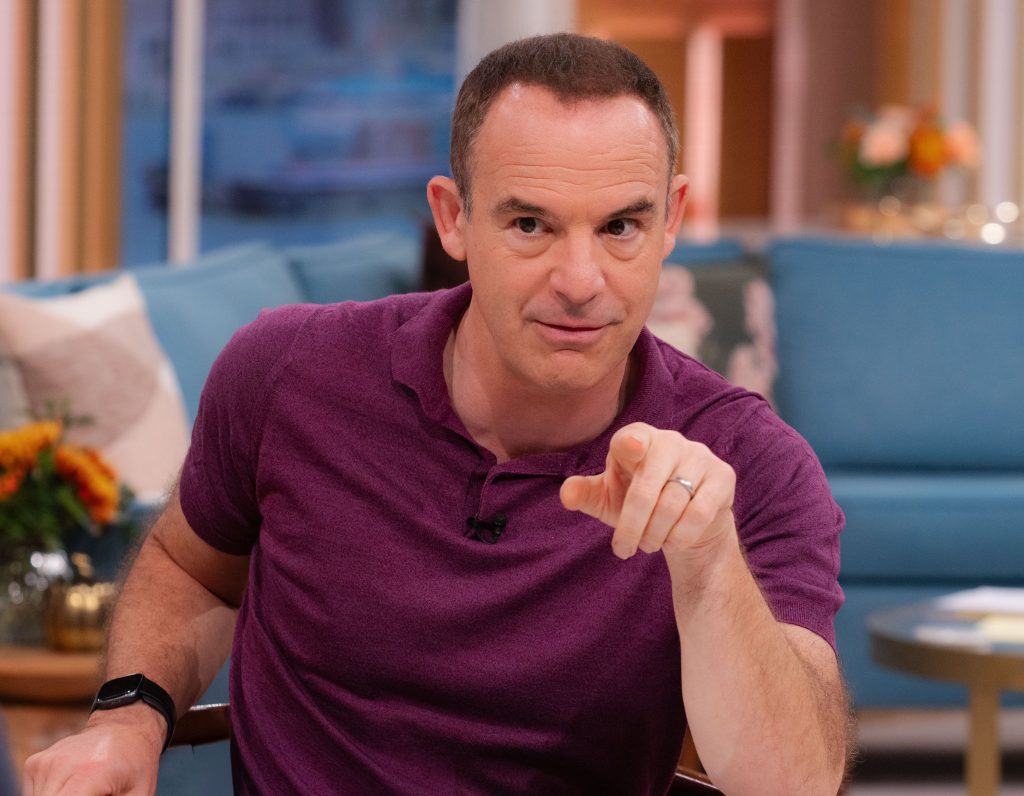
Consumer finance expert Martin Lewis has been vocal in his criticism, describing the policy as creating a situation where “lower and middle-earning graduates will just pay more each year for 30 years and get nothing from it.”
The policy affects different income brackets unevenly. Higher earners can pay off loans faster, reducing total interest paid. Lower earners may remain below the threshold entirely.
However, middle earners, the largest affected group, face increased deductions with each pay raise while inflation erodes their purchasing power.
“I’ll probably start repaying sooner than I expected, and as my salary goes up more of it will go towards student loans. Even if the amount is small at first, it still matters when you’re trying to pay rent, cover bills and save a little,” said Small.
Students graduating in 2026 or 2027 will spend their early career years under this policy. The optimistic approach focuses on maximising post-graduation earning potential rather than worrying about repaying the loan itself.
“It is important that you don’t have to start paying back the student loan until you earn enough money,” said Reeves.
The chancellor defends the system as “fair and reasonable,” stating that borrowers “only pay it back if you can afford to do so.”